


How Radon and Ventilation Are Connected
Radon enters buildings quietly through the ground and small structural openings, but what happens next depends largely on ventilation. Understanding how airflow, pressure, and air exchange influence radon levels is essential for managing risk in homes, schools, apartment buildings, and workplaces. Ventilation can lower radon or make it worse.
Radon is a colorless, odorless radioactive gas that forms naturally as uranium breaks down in soil, rock, and certain building materials. Because radon can easily enter buildings through the ground, cracks in the foundation, and structural openings, indoor radon levels are strongly influenced by how a home or building is ventilated.
Why Radon is a Health Risk
In both the U.S. and Canada, radon is the leading source of natural radiation exposure for the general population. Most exposure occurs indoors, where radon can accumulate over time.
Long-term exposure to elevated radon levels increases the risk of lung cancer and is the second leading cause of lung cancer after smoking. In nonsmokers, radon is the number one cause of lung cancer. Because radon cannot be seen or smelled, it often goes unnoticed without testing. Ventilation combined with accurate radon measurement plays a key role in determining whether radon levels remain safe or become a health risk.
“Ventilation is often the single most important factor when it comes to regulating indoor radon levels,” says Karl Nilsson, CEO of Radonova Laboratories.
How Ventilation Affects Radon Levels
Ventilation is designed to flush out indoor contaminants by replacing stale air with fresh outdoor air. While this can help dilute radon indoors, the relationship between ventilation and radon levels is complex and not always linear. A change in ventilation can both lower and raise radon levels depending on the design of the system. For example:
- Insufficient air exchange allows radon from the soil or building materials to build up indoors.
- Excessive negative pressure can draw more radon into the building through cracks and openings in the foundation. A slight negative pressure is normal, but too much can increase radon entry.
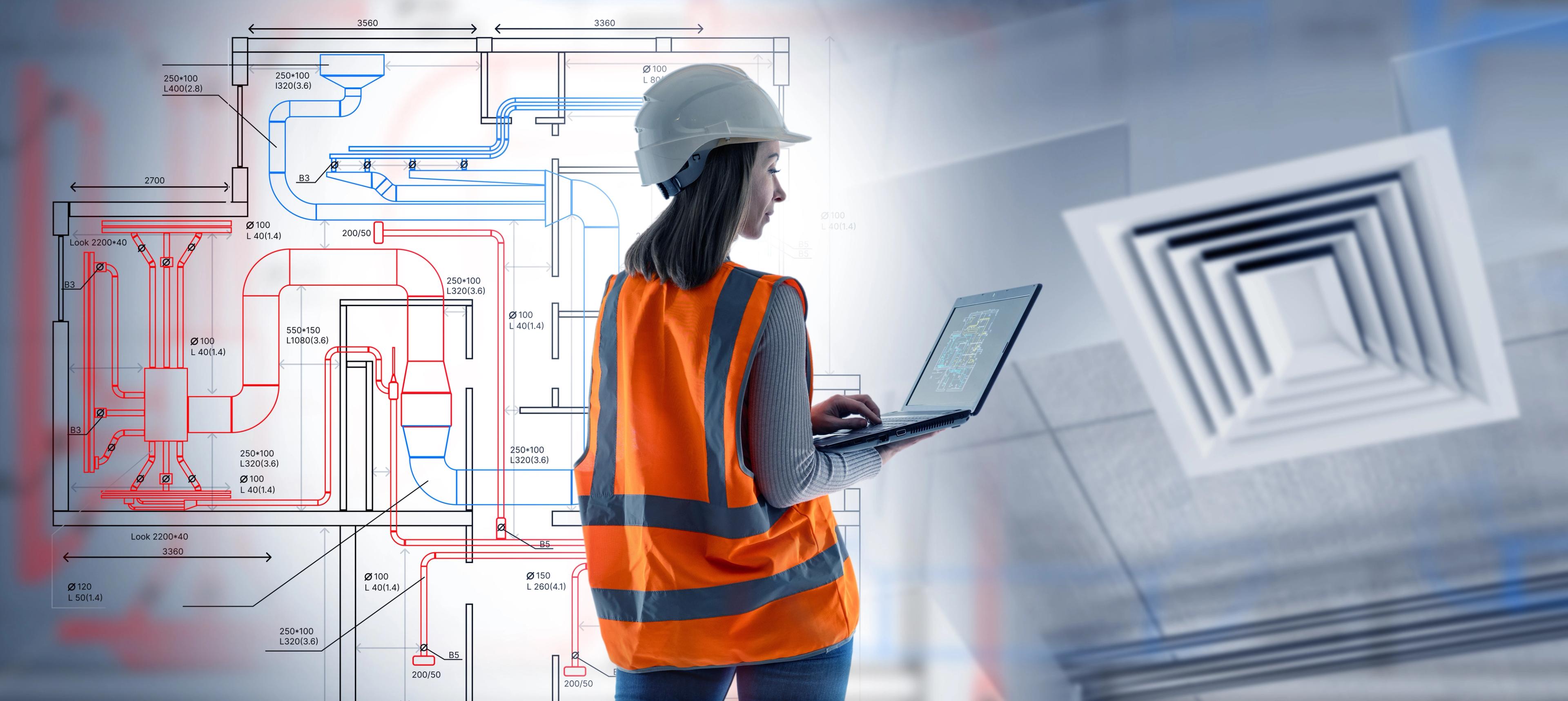
- Balanced ventilation systems with properly controlled supply and exhaust air provide the most stable and effective way to keep radon levels below recommended actionable limits.
Radon and Ventilation in Single-Family Homes
In detached and single-family homes radon typically enters from the soil beneath the house.
Homes with natural ventilation or poorly designed mechanical systems are more likely to experience elevated radon levels, particularly in basements and ground-level rooms. Modern ventilation systems with controlled airflow can significantly reduce radon concentrations when properly designed and adjusted.
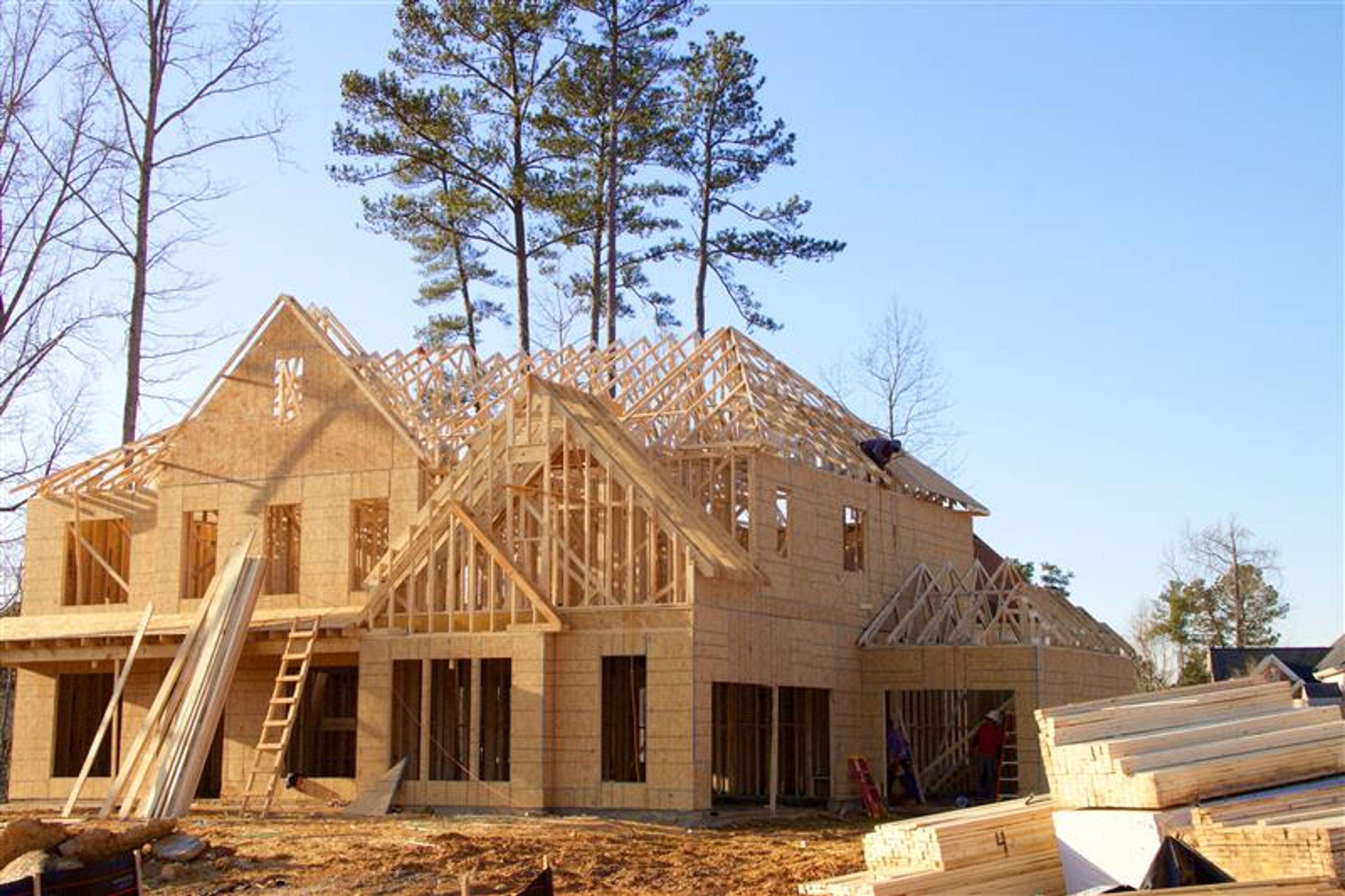
Newer and more energy-efficient homes limit the amount of unregulated air coming in or out of the house. They are designed to be tightly sealed to reduce heating and cooling losses which also traps more radon within the home.
Homeowners should always test for radon before making major ventilation changes and again afterward. This confirms whether the changes are effective and if additional steps, such as installing a radon mitigation system, are needed.
Radon and Ventilation in Apartments and Multifamily Buildings
Radon levels in apartment and multi-unit residential buildings can vary widely from one unit to another. These differences are often linked to building design, airflow patterns, and how ventilation systems operate across floors.
As a result, some units may exceed recommended radon levels while others remain below them. Property owners and managers should test radon in a representative number of units as outlined by the ANSI/AARST standards (United States) or Health Canada (Canada). Repeat measurements should be performed after renovations such as window replacements, added insulation, or energy-efficiency upgrades. These types of building changes can alter ventilation and increase radon levels.
Radon and Ventilation in Schools and Public Buildings
Workplaces, schools, and public buildings in both the U.S. and Canada are subject to indoor air quality guidelines and occupational health requirements. These buildings often use advanced ventilation systems that adjust airflow based on occupancy, schedules, or energy-saving modes.
While properly adjusted systems can help maintain low radon levels, there is a risk that radon concentrations may increase when ventilation is reduced during off-hours, such as nights or weekends, or when systems become unbalanced.
In some cases, continuous radon monitors can be used to compare radon levels during occupied and unoccupied hours. A corrected annual average can then be calculated. If this value remains below the actionable limit, no further action may be required.
A radon instrument, such as the ROBIN radon sensor, converts ambient radon concentration into a proportional output signal for use in buildings with demand-controlled ventilation systems.
Ventilation Decisions That Impact Radon Levels
To effectively manage the connection between radon and ventilation, keep these principles in mind:
- Measure first: Without radon testing, it is impossible to know how ventilation changes affect indoor levels.
- Consider the whole building: Ventilation improvements may need to be combined with building-specific mitigation measures.
- Adjust carefully: Large or poorly planned changes in airflow can increase radon levels or cause building damage.
- Use modern technology: Continuous radon monitors and smart ventilation controls help balance safety and energy efficiency.
- Perform follow-up testing in workplaces: Documenting low radon levels during working hours can prevent unnecessary and costly remediation.
Radon detectors and sensors that enable ventilation systems to automatically respond to real-time radon levels provides support for both indoor air quality responsibilities and energy efficiency goals.
Published
January 19, 2026
Related News
Why Radon Levels Fluctuate in Homes