


Top 5 Misconceptions About Radon in New Homes
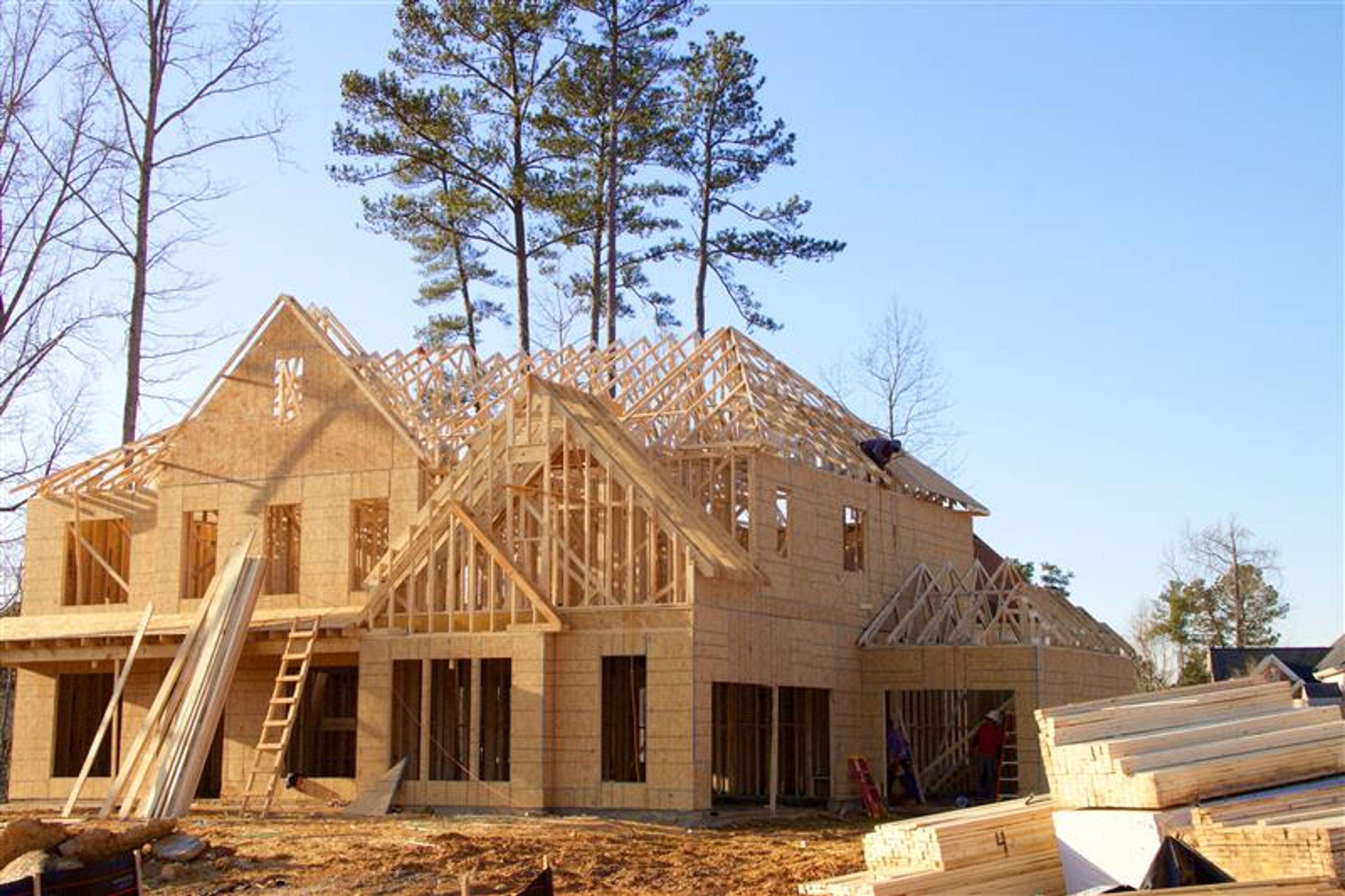
Homeowners and real estate professionals often assume that because a home is newly-built, it is "healthier" than an older property. But that’s not always the case with radon, a leading cause of lung cancer. Newly-constructed homes may include radon-resistant features, but radon levels still depend on site-specific geology, pressure differences, and soil gas pathways unique to each home.
Radon is a naturally occurring, colorless, and odorless radioactive gas produced by the decay of uranium in soil, rock, and groundwater. It seeps into homes through gaps in the foundation, cracks in floors and walls, basements, floor joints, sump pumps, and porous cinder blocks. It then becomes trapped within homes where the radioactive gas becomes part of the air occupants breathe. When inhaled, these radioactive particles damage the DNA of cells that line the lungs which causes lung cancer.
Relying on a home’s age or location instead of testing can create a false sense of security for homeowners and real estate professionals. The following are common misconceptions about the risk of radon exposure in newly constructed homes.
1. New Homes Don't Have High Radon Levels
Radon is a soil gas. It comes from the ground beneath the home and is not a result of the age of the structure.
In fact, newer homes can have higher radon levels because they are:
- Built airtight for energy efficiency
- Better insulated
- Designed to not let cool air escape in the summer
- Designed to hold heat indoors in the winter
Modern construction traps indoor air more effectively, which can allow radon to accumulate. Research published in the Nature’s Scientific Reports states a 31.5% increase in radon levels has been found in homes built since 1992 versus older structures. The issue is that modern houses are too efficient at limiting the amount of unregulated air coming in or out of the house.
New does not mean radon-free.
2. New Homes Are Built to Code So They Are Safe From Radon
Building codes vary by state, province, and municipality. Some areas require passive radon-resistant construction features. Many do not.
Even in areas that use radon-resistant new construction (RRNC), the radon mitigation systems:
- Are often passive (aren’t actively venting)
- May not be installed by a certified radon professional
- Still require post-construction testing
A passive system that is part of RRNC is designed to limit radon gas entry and provide future rough-ins for a full radon mitigation system, or an “active” system.
An active radon mitigation system includes a vent pipe that stretches from the basement (or lowest level of the home) all the way up above the roof, as well as an electric radon vent fan and monitoring system. The fan creates suction to pull the radon gas from under the home and vent it out safely to the outdoors. If a new home is built with RRNC, an active system is easier to install at a later date if needed.
Code compliance is not the same as confirmed safe radon levels.
3. The Builder Already Tested for Radon
Not all builders conduct radon testing after home completion. Both the ANSI/AARST standards (United States) and Health Canada recommend conducting a radon test when moving into a new home. Even if a radon test occurred upon completion of construction:
- Soil conditions can change
- HVAC usage changes once the home is occupied
- Seasonal variations affect radon levels
- Homeowners often finish basements later which necessitates a new radon test
Radon levels can fluctuate significantly after the newly built home becomes occupied. The only way to know a home’s radon level is to test it under lived-in conditions.
4. The Home Isn't Located in a Region With High Radon
A common misconception about radon is that it’s only a risk in certain regions, particularly areas near uranium-rich soil. Because radon is a naturally occurring radioactive gas that comes from the breakdown of uranium in soil, it can exist everywhere.
Radon maps are often used as justification not to test, but they cannot predict radon levels in an individual home.
All 50 states and Canadian provinces/territories have reported high radon levels. Radon levels can even vary significantly, even between neighboring homes on the same street, which makes location an unreliable predictor of the risk.
The only way to determine if radon is at dangerous levels within a home is through proper testing, regardless of where the home is located.
5. The Home Doesn't Have a Basement
Basements often have the highest radon concentrations, but homes without basements can also have high radon.
- Radon comes from the soil, not the basement, and can accumulate anywhere the structure touches the soil.
- The stack effect pulls air upward from the foundation, spreading the gas into the home and upwards through stairwells, vents, and ductwork.
- Newly built homes with crawl spaces often have exposed soil or poorly sealed ground coverings. Radon accumulates there and moves upward into the living space.
Radon risk isn’t determined by a home’s age, location, construction quality, or foundation type. Every home is vulnerable. The only reliable way to protect the health of the people living inside is to test for radon and take action if levels are elevated.
Published
February 20, 2026
Related News