

Radonova Turns 40: From the Aftermath of Chernobyl to Global Market Leadership
This year Radonova celebrates four decades of excellence, a milestone that evolved from urgent radioactive environmental crisis management to sophisticated global radon measurement technology.
After four decades in radon measurement, some things become clear:
• Accuracy matters.
• Reliability matters.
• Radon testing matters.
How It All Started: Chernobyl Accident and Cesium Measurement
On April 26, 1986, a nuclear reactor at the Chernobyl Nuclear Power Plant in Ukraine (then the Soviet Union) exploded during a safety test. The explosion was so enormous that it blew the 1,000-ton roof off the reactor. Massive amounts of radiation were released across Europe, especially in Scandinavia.
The short-term effects were devastating. Two plant workers were killed in the explosion, dozens of emergency responders developed severe radiation sickness, and over 100,000 people were evacuated from nearby communities. The long-term effects unfolded over decades, including increased thyroid cancer rates especially in children, environmental contamination, restricted land use, and ongoing health impacts that are still being studied today.
The accident released large amounts of cesium. In the aftermath of the accident, there was a widespread need to measure cesium in food and nature, particularly in game meat, freshwater fish, and mushrooms. A research team at Uppsala University founded Gammadata Mätteknik to address the urgent need of measuring radioactive fallout, specifically in cesium, within the environment and food supply.
Development of Radon Measurement Process
By developing proprietary measurement systems using mainframe technology of the time, custom-built databases enabled the laboratory to analyze up to 1,500 cesium samples per day, including reindeer meat from the most heavily affected areas. This feat of both speed and precision set the standard for decades to follow.
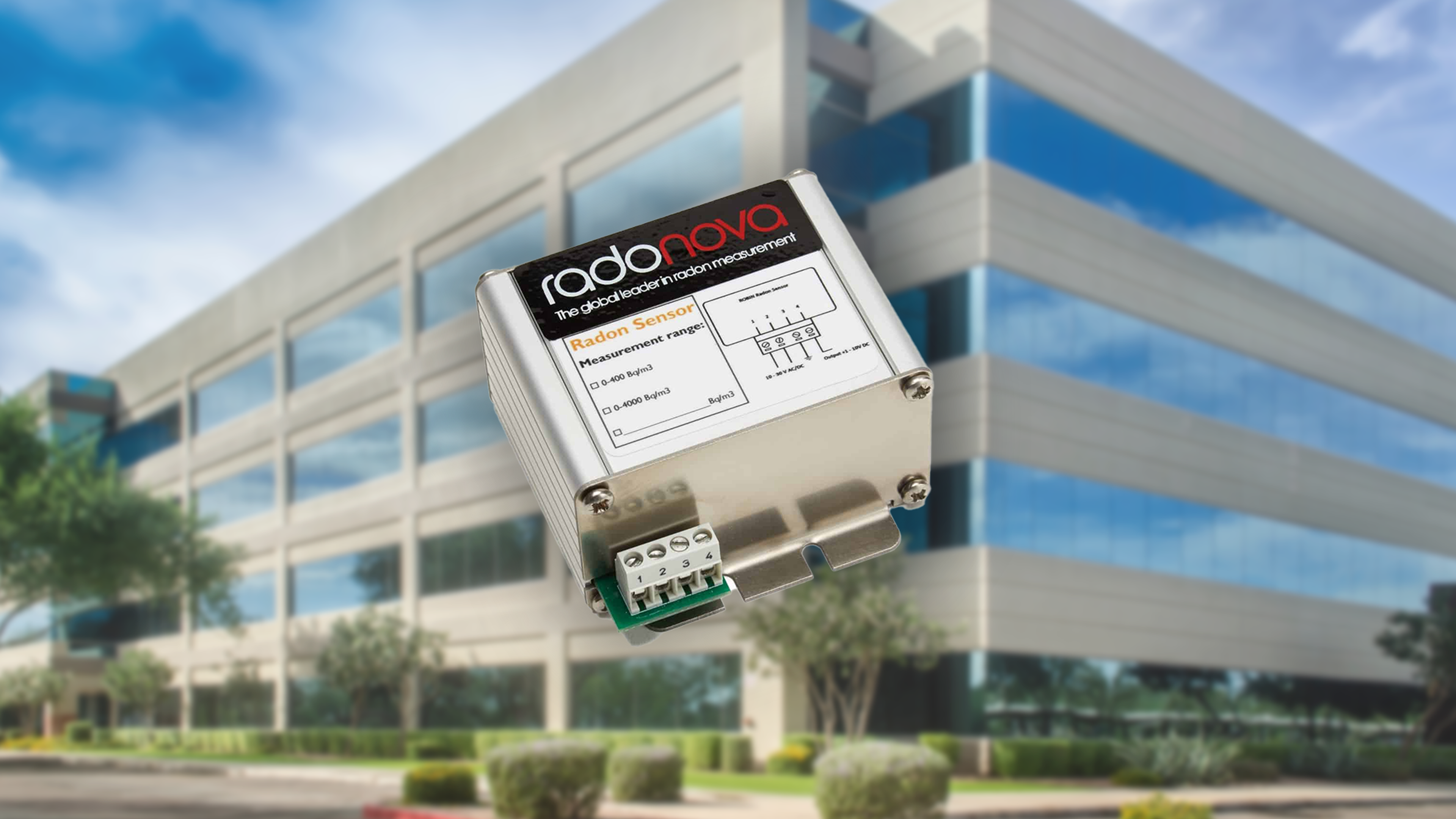
By the late 1980s and 1990s, the company pivoted toward radon measurement. Supported by a foundation of analysis, database management and quality assurance, the company perfected their passive radon detectors based on track-etch (alpha track) film analysis. Today, as part of the Lagercrantz Group and having adopted the name Radonova in 2015, the company has transformed into the world’s leading radon laboratory.
“Our founders built our systems correctly from the start,” says CEO Karl Nilsson. “That architectural integrity allowed us to scale globally without ever compromising accuracy.
The Future of Radon Measurement and the Next 40 Years
While this anniversary marks a major milestone, the focus remains optimistic.
- Radon awareness continues to grow.
- Radon testing demand and access continues to increase.
- Professional standards from ANSI/AARST and Health Canada continue to evolve.
Radonova remains committed to supporting professionals with the accuracy, innovation, and service that have defined the past 40 years.
Now operating in over 80 countries, Radonova utilizes high-level automation to analyze up to 5,000 samples per day. While technology has evolved from room-sized mainframes to streamlined digital analysis, the mission remains the same: providing the results necessary for people to make informed decisions about their health that can lead to the prevention of radon-induced lung cancer.
Stay informed about new radon measurement technology from Radonova.
Published
March 30, 2026
Related News

September 23, 2026