
How to Build a Multifamily Radon Testing Program
With over 21 million multifamily housing units in United States and over 5 million Canadians living in multifamily homes, radon measurement professionals have a substantial opportunity for radon testing in this market segment. Measuring radon in large, multifamily buildings is far more complex than in single-family homes and yet it represents a way to scale business operations and reach a growing market.
Know the Standards
The U.S. and Canada have specific radon measurement guidelines for multifamily properties.
United States: ANSI/AARST MA-MFLB standards require radon testing in 100% of all ground-contact dwelling units and regularly occupied non-residential rooms to be tested, along with 10% of the units on each upper floor. Additionally, it provides detailed protocols for using passive radon detectors, continuous radon monitors, and maintaining "closed-building conditions" when required.
Canada: Health Canada guidelines recommend radon testing in multi-unit residential buildings over a minimum 91-day period. The protocol mandates testing 100% of all ground-contact units, which are those in contact with the ground, or located above a crawlspace, utility tunnel, or garage - plus a proportionate sampling of upper floors. Perform testing within each unit in the lowest livable regularly occupied room that is used four or more hours per day.
Demonstrating expertise with national and provincial/state radon testing requirements is necessary for gaining credibility with property owners. Staying informed on local and national radon standards positions the radon measurement professional as a valued consultant.
Avoid Multifamily Housing Radon Measurement Mistakes
The complexity of measuring radon in multifamily buildings increases the chances of mistakes. Avoid the following oversights to increase radon testing accuracy.
- Not enforcing closed-building requirements. For short-term testing (less than 90 days) closed-building conditions are required. Windows and exterior doors must be kept closed for at least 12 hours before the test begins and throughout the testing period to prevent the results from being artificially low because of fresh air dilution.
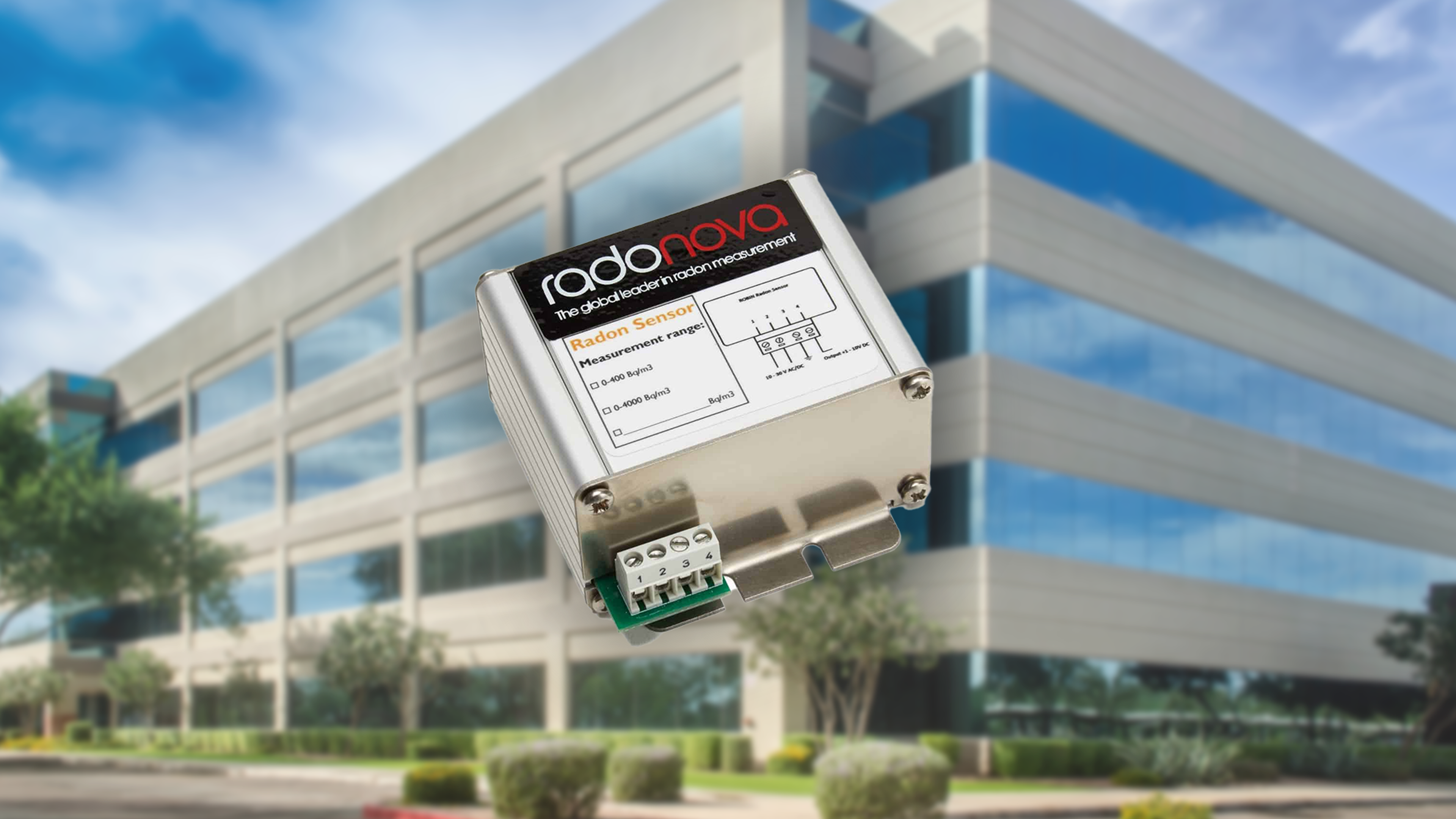
- Using uncertified radon detectors. To ensure radon devices meet professional standards, use only NRPP or NRSB approved devices in the United States and C-NRPP approved devices in Canada.
- Incorrect detector placement. In addition to following the ANSI/AARST and Health Canada protocols for detector placement, keep in mind these areas where detectors should not be placed:
- Kitchens, bathrooms, or laundry rooms (high humidity/ventilation areas).
- Direct sunlight or near heat sources (radiators or fireplaces).
- Areas with high air currents (air vents, doors, or window sills).
- Enclosed spaces (closets or drawers).
- Testing too few units. Radon gas can vary significantly between neighboring apartment units in the same building, which is why the standards require testing 100% of the ground floor units. In high-rise multifamily buildings, the stack effect (or chimney effect) can pull radon gas up through utility shafts, elevator shafts, and pipe chases. This can result in elevated radon levels on upper floors (the second, third, or even higher) which could be missed if testing is limited to the ground level.
With proper communication and cooperation from tenants and property managers, the above measurement mistakes are avoidable.
Build Your Case for Multifamily Housing Radon Testing
To secure contracts for multifamily radon testing, professionals must effectively build their case by addressing the property owner's specific needs, reducing their liability, and establishing a foundation for long-term business.
- Provide detailed and customized proposals. Multifamily properties are rarely identical. Tailor a proposal that accounts for number of floors, number of units, building age and construction type, HVAC systems, attached garages, crawl spaces, etc. Floor plans, site visits, and a customized testing layout are essential in building credibility with the property owner and ensuring a comprehensive final report.
- Reduce liability exposure for the property owner. Radon is the #1 cause of lung cancer in nonsmokers and the second leading cause of lung cancer after smoking. Living in an apartment, condominium, or other multifamily housing with high radon exposes tenants to lung cancer risk. Liability against the property owner can then arise from a claim under the implied warranty of habitability in landlord-tenant law (United States) or the Residential Tenancies Act (Canada).
- Ongoing radon testing and repeat business. Retesting multifamily housing properties is recommended every 2-5 years in the United States. Health Canada recommends retesting every 5 years. Retesting may be needed sooner if the property has experienced major renovations. Educating a property owner about the necessity for radon testing (and possibly radon mitigation) while providing a successful radon measurement program can develop a long-term relationship for future radon measurement projects.
Published
December 09, 2025
Related News
How Radon and Ventilation Are Connected