
3 Common Reasons Radon Tests Get Disputed and How to Prevent Them
Disputed radon tests cost time, money, and trust. While radon variability is normal, many disputes are preventable with the right preparation, documentation, and measurement practices.
Even accurate radon tests can be disputed. Here are the three most common reasons radon tests get challenged and what professional testers can do to avoid them.
1. Results Don’t Match a Previous Test
Radon levels naturally fluctuate due to weather, season, ventilation, and building use. Clients often expect radon to behave like a fixed number and are surprised when results differ.
How to prevent disputes:
- Explain radon variability before testing begins.
- Reference seasonal effects and testing conditions in your report.
- Use consistent protocols and professional-grade devices.
- Avoid testing during or immediately after major storms.
- Check the local weather forecast and if a front or heavy rain is expected, reschedule the test for a period of stable weather.
Education is one of the most effective dispute-prevention and trust-building tools.
2. Test Conditions Are Questioned
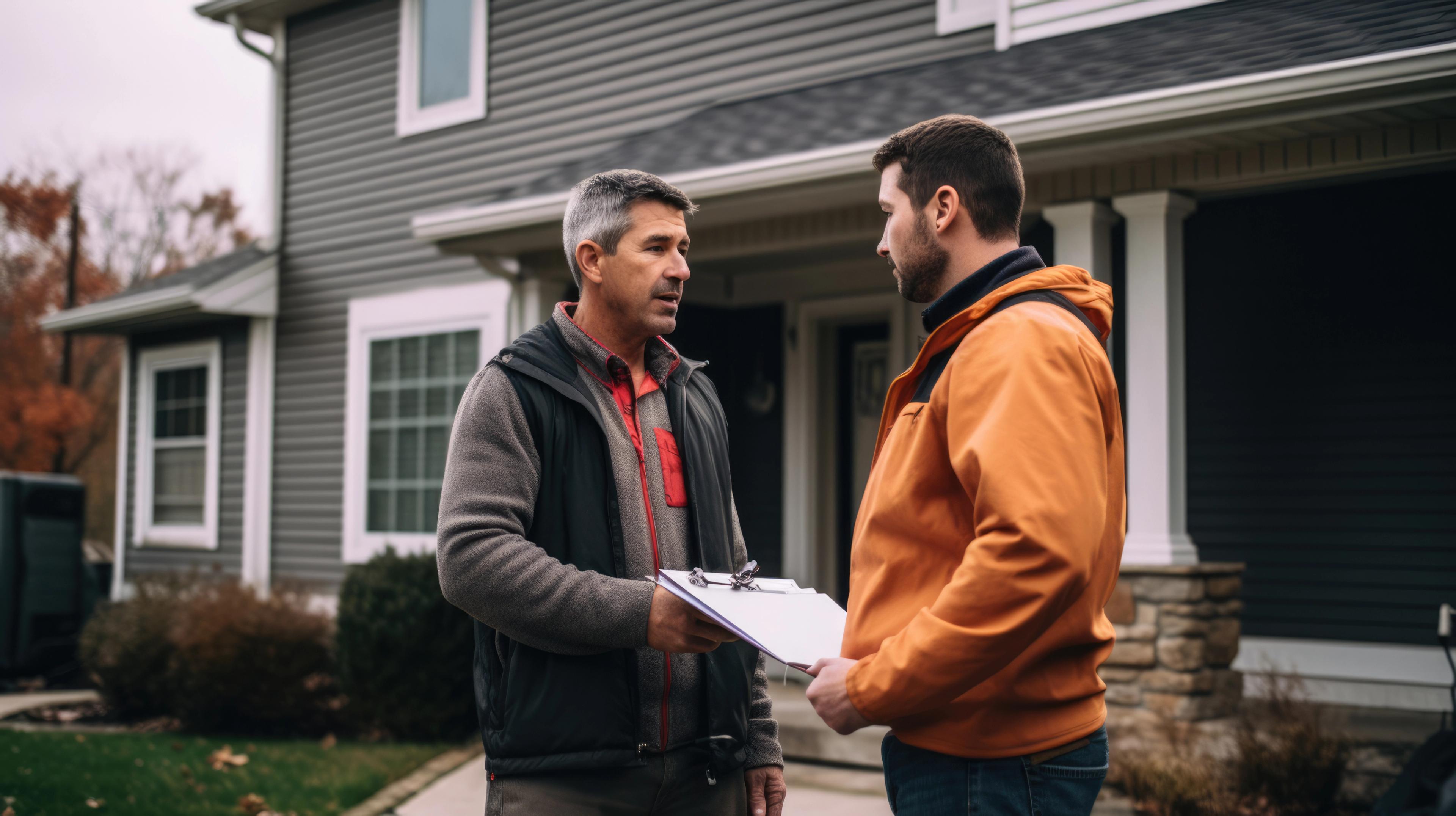
Disputes often stem from closed-building conditions not being maintained, devices being moved, or occupants interfering with the test (usually accidentally).
How to prevent disputes:
- For short-term radon tests (2–7 days) opening windows, running fans, or using fireplaces can skew results. Provide clear written and verbal instructions about how to maintain closed-building conditions in the home.
- Document location placement of the radon detector or instrument, dates, and test conditions.
- Use tamper-indicating or tamper-resistant devices when possible.
- Include notes and photos as part of your report.
Strong documentation will help eliminate questions about the measurement report.
3. Doubts About Equipment or Lab Accuracy
Clients are increasingly asking how tests are analyzed and validated.
How to prevent disputes:
- Use professional-grade, consistent equipment
- Maintain calibration and QA/QC schedules
- Partner with an NRPP, C-NRPP, or ISO-accredited laboratory
- Be prepared to explain your quality control process
By using certified labs and NRPP and C-NRPP approved radon measurement devices, radon testers can eliminate disputes over lab accuracy.
Turning Disputes Into Trust
Disputes over radon results can delay crucial mitigation steps. Disputed radon tests are rarely about a single number. They’re about confidence in the process, the equipment, the lab, and the professional delivering the result.
By focusing on consistent testing practices, quality-controlled equipment, accredited laboratory analysis, clear documentation and solid communication professional radon testers can reduce disputes, minimize retests, and strengthen their reputation.
A Professional Partner Makes the Difference
Preventing disputed radon tests starts with strong protocols and the partners behind your measurements. Radonova supports professional radon testers with high-quality measurement devices, NRPP, C-NRPP and ISO-accredited laboratory analysis, trusted globally in research, regulation, and professional practice.
When your results are backed by proven technology, rigorous quality control, and Radonova’s 30+ years of measurement expertise, you spend less time defending numbers and more time delivering confidence.
Radonova supports professionals with results they can stand behind.
Published
January 09, 2026